
Ask most companies how they collect feedback, and you'll hear the same answer. A survey goes out after the purchase. Maybe a star rating. That's the whole system.
But your customers don't experience your business as one single event. They browse, click, hesitate, call support, forget a password, wait for a delivery, and open the box. Each of these moments shapes how they feel about you, and most of them never get asked about.
This piece walks through why that gap matters, where the real touchpoints live, and what you can actually do about it. Along the way, you'll see numbers, real examples, and thoughts from five people who work in this space every day.
A Touchpoint Is Smaller Than You Think
People assume a touchpoint means something big, like a sales call or a checkout page. Sometimes it's that small. A shipping confirmation email. A password reset screen. The five seconds someone spends squinting at a pricing page trying to figure out what plan fits them.
Every one of these moments builds or chips away at trust. You never see most of the chipping, because customers rarely complain about small friction. They just quietly decide the experience felt off, and they remember that the next time they choose where to spend money.
"Small moments often have the biggest impact on how customers perceive a brand. Collecting feedback throughout the customer journey helps businesses uncover hidden friction, improve the user experience, and make meaningful changes before those small issues affect conversions or long-term loyalty." — David Finberg, CEO of Peaks Digital Marketing.
Here's the problem with only checking in once. You end up fixing what you can see and missing what actually broke the experience. A customer might rate their delivery five stars while the checkout process nearly made them give up. If you only ask about delivery, you'll never know checkout has a problem at all.
One Survey at the End Tells You Almost Nothing
Think about how memory works. A person who had a rocky first week with your product but a smooth month five will often rate the whole experience fine, because recent moments color how we remember everything before them. That single end survey hides the rocky part completely.
There's a bigger issue too. End-of-journey surveys only reach people who finished the journey. Anyone who dropped off halfway through never sees that survey. And those are usually the people with the most useful complaints, the ones who almost bought and then didn't, or signed up and quit two days later.
A person tries your free trial, gets stuck setting up their account, and closes the tab. You never hear from them again. No survey, no complaint, no data point. Just a silent gap in your numbers that nobody notices until growth slows down and nobody can say exactly why.
What Silence Actually Costs You
Waiting until the end to ask questions means you find out about problems late. A confusing signup flow that could get fixed in a week instead sits broken for months, quietly pushing people away the whole time.
"A lack of feedback doesn't always mean customers are satisfied. More often, it means businesses didn't ask at the right moment. Collecting feedback throughout the customer journey helps uncover concerns early, before they become bigger problems." — Sharon Amos, Director at Air Ambulance 1.
Qualtrics XM Institute found that companies running strong, ongoing customer experience programs grow revenue at nearly double the rate of companies with weak ones. A big part of that gap comes down to timing. Catching a problem in week one costs far less than catching it in month six, after it's already cost you customers.
Where the Real Touchpoints Live
Your customer's path through your business has stages, and each stage carries its own risks. Skip a stage, and you skip a whole category of problems you'll never see coming.
Before They Buy Anything
Long before money changes hands, someone browses your site, reads a review, maybe chats with your sales team or a bot. This early stage tells you a lot about how trustworthy and clear your brand feels to a total stranger.
You can pick up feedback here in a few simple ways:
- A short pop-up when someone looks ready to leave your site
- A one-question poll right after a live chat ends
- A quick survey sent after a sales demo
- Star ratings and written reviews on product pages
Sometimes the feedback isn't words at all. If people keep abandoning their cart at the same step, that pattern is telling you something, even without a single typed sentence.
Source: Revechat
The Moment They Pay
Paying money is stressful for a lot of people. They worry about hidden fees, security, and forms that ask too many questions. A single quick question right after checkout, something like "how easy was that?", catches friction while it's still fresh in someone's mind.
Amazon keeps its checkout down to as few steps as possible and watches exactly where people drop off at each one. That kind of tracking works as feedback too, even though no customer ever fills out a form.
Right After the Purchase
This is the one stage almost every company already covers, usually through a single satisfaction survey. But the post-purchase window is bigger than the delivery day. It includes onboarding, first use, that whole first week of getting to know your product.
Someone buys new software and can't figure out how to log in. They form an opinion about your company in the first ten minutes. Wait thirty days to ask how things are going, and you've already missed the moment that mattered most.
Every Support Conversation
A support ticket, a chat, a phone call. Each one is a feedback opportunity most companies half-use. Plenty send a quick rating request after a case closes, something like "how did we do?" Fewer actually dig into what those ratings mean or why someone scored low.
"Every service visit is more than a completed job, it's an opportunity to learn where communication, scheduling, or execution can improve. Customers often share insights during or immediately after an appointment that never appear in a formal survey. Capturing that feedback helps refine the processes before small frustrations become recurring issues." — Andrew Bates, COO of Bates Electric.
Support conversations often surface problems nobody planned to mention. A customer calls about a billing question, then mentions offhand that the app keeps crashing on their phone. If someone's paying attention, that throwaway comment is worth more than the survey score.
Long After They First Bought
Months or years later, customers renew, reorder, or just keep quietly using what you sell. This stage gets ignored constantly because nothing looks broken. But quiet isn't the same thing as happiness.
A short check-in at renewal time, something as simple as "How has this been working for you?", can catch a customer drifting away before they leave without ever telling you why.
Businesses that stay connected after the initial sale are often the first to spot subtle signs of dissatisfaction. Ongoing conversations help uncover concerns that might never appear in a traditional survey, allowing teams to improve the experience before customers decide to leave.
"The most valuable feedback often comes long after the initial purchase. Consistent check-ins help uncover concerns that customers might never raise in a survey, giving businesses the chance to improve the experience before small issues become reasons to leave." — Bryan Henry, President of PeterMD.
Customers don't always announce when they're unhappy. More often, they simply become less engaged, renew out of convenience, or quietly start looking elsewhere. Collecting feedback throughout the relationship helps businesses identify those warning signs early and strengthen customer loyalty before it's too late.
What the Numbers Actually Say
The data backs up everything above, not just from one angle but from several.
| Statistic | Source |
|---|---|
| Businesses acting on feedback across the full journey see up to 10-15% higher customer retention | Forrester Research |
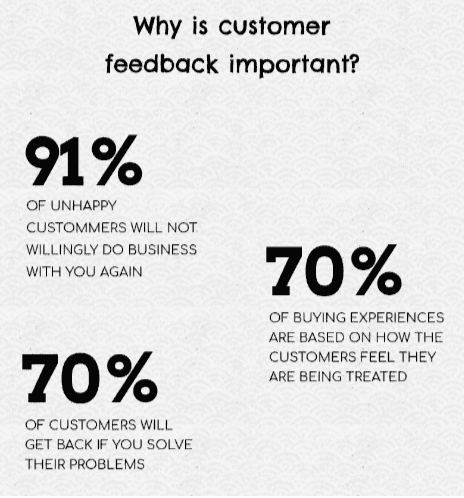
| 91% of unhappy customers never say a word. They just leave | Esteban Kolsky research |
| Companies collecting feedback in real time fix problems three times faster than those relying on periodic surveys | Zendesk Customer Experience Trends Report |
| Only 1 in 26 unhappy customers ever files an actual complaint | Lee Resources study |
Read those numbers together, and a pattern jumps out. Most unhappy customers stay quiet. Wait for people to speak up on their own, and you're only ever hearing from a small, skewed slice of everyone who's had a problem. You have to ask, and you have to ask at the right moments, not just the last one.
Real-time feedback also changes how fast your team can react. A support ticket flagged the same day is easy to fix. A pattern buried in a quarterly report from three months back is a much harder problem to untangle.
What This Looks Like in Practice
A regional airline redesigned its boarding process after noticing complaints show up right at the gate, not in the post-flight survey nobody filled out honestly anyway. Passengers were confused by the boarding groups while it was happening. The airline simplified the system that same season, and complaints at that exact touchpoint dropped fast.
A project management software company added a tiny thumbs-up or thumbs-down button inside the app, shown right after someone finished their first task. That small nudge revealed new users kept struggling with one specific feature during onboarding. The team redesigned it, and completion rates for new users climbed within a month.
A coffee chain set up short feedback kiosks near the pickup counter instead of relying only on a receipt code survey nobody scans. Customers gave feedback about wait times and order mistakes while the memory was fresh, and the company got faster, more specific data than the old system ever produced.
Building a Feedback System Without Overwhelming Anyone
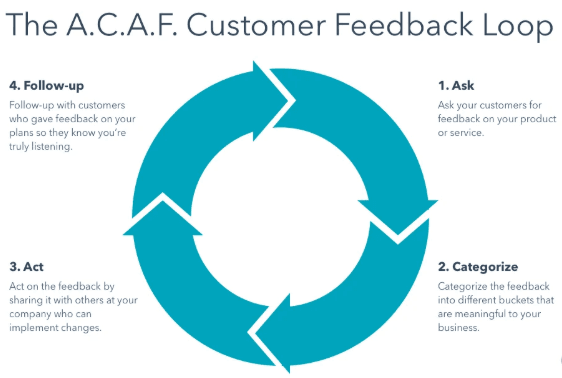
You don't need a big budget or a fancy tool to start collecting feedback across the whole journey. You need a plan and some discipline. Here's a simple way to start.
- Map out your customer journey and write down every real touchpoint, from the first website visit to the renewal reminder years later.
- Pick one short, specific question for each stage instead of one long survey trying to cover everything at once.
- Match the channel to the moment. In-app pop-ups fit software. A text message fits a delivery update. Email fits a post-purchase check-in.
- Keep every question under thirty seconds to answer. Long surveys get abandoned or ignored completely.
- Look at the responses weekly instead of quarterly, so small problems get caught before they grow.
- Tell customers what changed because of their feedback. That single step builds trust and gets more people responding next time.
You don't need to survey every customer at every stage. Sample a portion of your audience and rotate which stage gets attention if your team is stretched thin.
Source: HubSpot
Picking the Right Method for Each Moment
Different touchpoints call for different tools. A rating scale works well right after a support call ends. An open text box works better after a demo, where nuance matters more than a single number.
| Touchpoint | Best Method | Example Question |
|---|---|---|
| Browsing the site | Exit-intent pop-up | "What almost stopped you from buying today?" |
| Checkout | One-question survey | "How easy was this, from 1 to 5?" |
| Onboarding | In-app micro-survey | "Did this feature work the way you expected?" |
| Support call | Post-call rating | "Did we solve your issue today?" |
| Renewal | Email check-in | "How has this been working for you?" |
Match the method to the moment, and your response rates go up, and the answers you get back tend to be specific enough to actually act on.
How This Shows Up Differently Across Industries
The same idea plays out in different ways depending on what you sell.
Retail and eCommerce businesses move fast, so feedback needs to keep up. Someone confused by a sizing chart, return policy, or checkout process often leaves without saying anything. A quick question at the right moment can reveal friction before it turns into an abandoned purchase.
Software companies have longer customer journeys, so feedback needs to extend well beyond the initial purchase. Onboarding is often the most critical stage. A user who struggles during setup rarely complains—they simply stop using the product.
In healthcare and other trust-based industries, people may hesitate to share criticism directly. Offering private feedback channels after appointments or during follow-up interactions helps organizations uncover concerns that might otherwise go unspoken.
For eCommerce businesses, some of the most valuable feedback comes after the purchase. Customers experience shipping updates, delivery timelines, packaging, and order accuracy before deciding whether they'll buy again. Collecting feedback during these touchpoints gives businesses a clearer picture of the post-purchase experience and helps identify operational issues that traditional surveys often miss.
"Some of the most valuable customer feedback comes after the purchase. Checking in during fulfillment and delivery helps businesses uncover friction early and improve the overall customer experience." — Greg McRoberts, Founder & CMO of Verde Fulfillment USA.
Hotels and airlines also rely on timely feedback. A guest often forms a lasting impression within minutes of checking in. Waiting until checkout to ask about the experience leaves little opportunity to resolve issues while they still matter.
Restaurants face a similar challenge. Long wait times, incorrect orders, or slow service shape customer perceptions well before the bill arrives. Teams that gather feedback in the moment can resolve issues quickly, improve the dining experience, and encourage customers to return.
Mistakes That Undo a Good Feedback Program
A few habits show up again and again, even in teams that mean well.
- Asking too much: Send a survey after every single click and people stop answering anything at all.
- Ignoring behavior as feedback: Drop-off rates, repeat visits, time spent on a page. These all say something, even when nobody types a word.
- Collecting feedback and doing nothing with it: Ask people for their thoughts and never act, and they'll stop bothering to share them.
- Using the same long survey everywhere: A five-page form after a two-minute chat feels out of place and gets abandoned almost instantly.
- Trusting the average too much: A high average score can hide a serious problem affecting a smaller group of customers who matter just as much.
These mistakes do more damage than skipping feedback altogether, because they waste a customer's time without producing any real change on your end.
A useful check before launching any new survey question is simple. Ask yourself what you'll actually do with the answer. If nothing changes based on what someone tells you, that question probably isn't worth asking in the first place.
Teams that run this check regularly end up with shorter, sharper surveys. Fewer questions get sent overall, but each one carries more weight, and customers can tell the difference between a survey that matters and one that's just noise.
Making Feedback Part of How You Already Work
Feedback works best when it lives inside your team's normal routine, not as an extra task tacked onto the end of the quarter. Support staff can flag patterns during a regular shift. Product teams can review in-app survey data during normal planning meetings, not a separate research project nobody has time for.
Once feedback becomes routine, it stops feeling like a chore. A customer who rates you five stars today might have rated you three stars a year ago, right after a rough support call. Watching that shift over time tells you what actually changed their mind, not just where they ended up.
Small teams often worry that full-journey feedback means a lot of extra work. In practice, it usually replaces work rather than adding to it. Instead of one massive survey project every quarter, you spread short questions across the year, and each one takes far less effort to build and review than the long version ever did.
Watching Whether Any of This Actually Helps
Once you're collecting feedback at more points, you need a way to check whether it's working. Track a handful of simple numbers instead of trying to measure everything.
- Response rate at each touchpoint: A sudden drop usually means survey fatigue or bad timing.
- Time to fix: How long does your team take to act after feedback comes in? Shorter times mean fewer customers hit the same problem twice.
- Repeat complaints: The same issue popping up across different touchpoints usually points to a root cause you haven't dealt with yet.
- Retention tied to touchpoint scores: Compare how customers who rated one specific moment poorly behave later. Do they buy less? Do they leave sooner?
These numbers tell you whether your program changes real outcomes, not just whether it collects a lot of data. A program that gathers thousands of responses but never changes a single decision isn't worth the effort of running it.
Conclusion
Your customers don't live in a single moment with your business. They move through dozens of small ones, and each one leaves a mark on how they feel about you. Ask once, and you catch a fraction of that story.
Start asking earlier. Keep the questions short, and place them where they actually matter. Your customers will notice the difference, and so will your results.